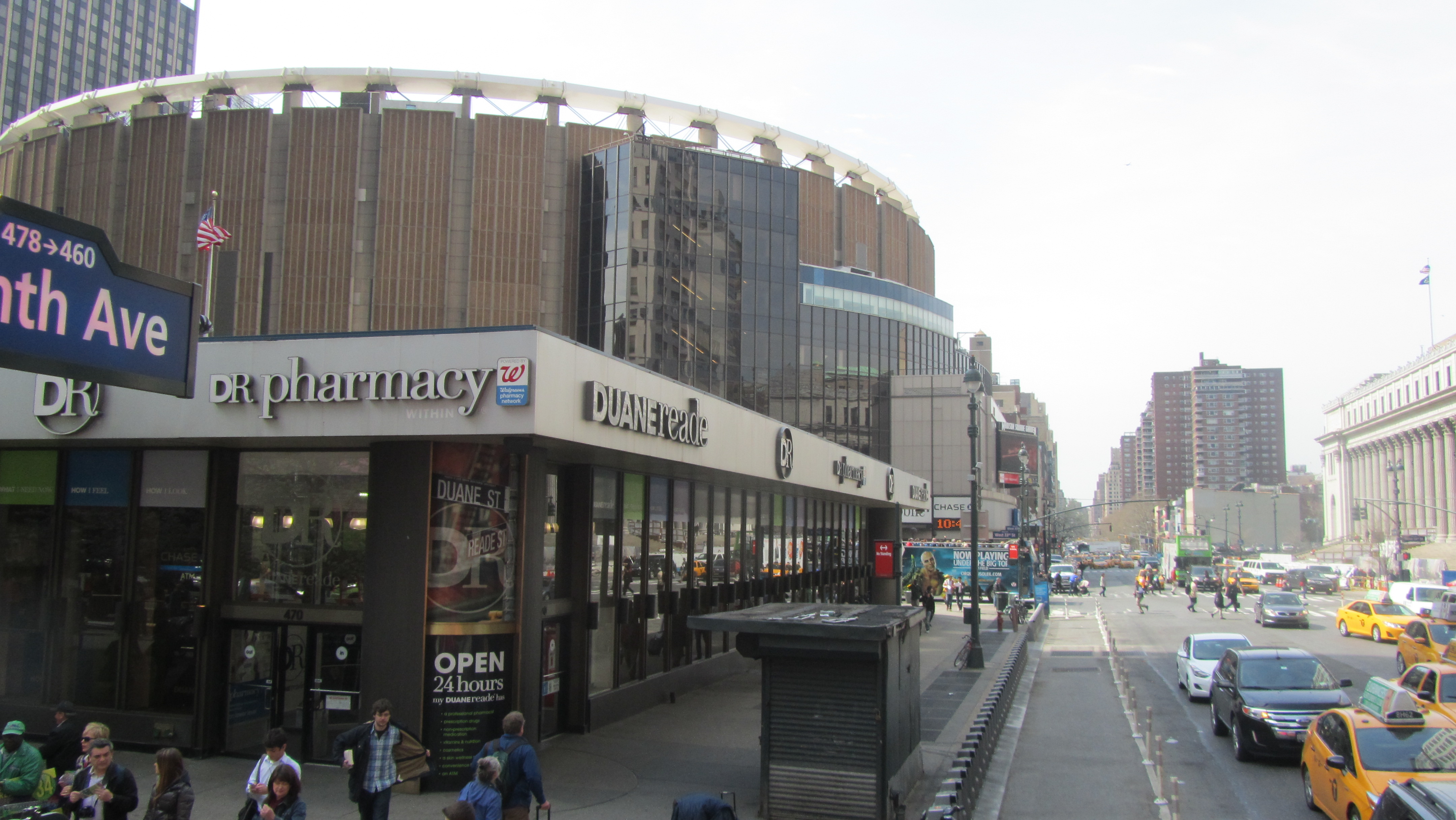
Madison Square Garden Entertainment filed a 40-page defamation complaint July 16 in New York State Supreme Court against Wired, reporter Noah Shachtman, co-author Maddy Varner, and editorial director Katie Drummond over a story about the company's LGBTQ+ surveillance database. Wired called it "baseless and ridiculous."
Madison Square Garden Entertainment filed a defamation lawsuit July 16 in New York State Supreme Court against Wired Magazine, staff reporter Noah Shachtman, co-author Maddy Varner, and editorial director Katie Drummond, seeking compensatory, presumed, special, and punitive damages plus attorney's fees over Wired's July 9 article headlined "Madison Square Garden Kept a List of Gay Celebrities."
The 40-page complaint alleges that Wired obtained records hacked from MSG's systems by an extortionist group and cherry-picked fragments to construct a narrative claiming the company tracked LGBTQ+ celebrities and rappers. MSG contends the data came from a standard customer relationship management platform used to invite guests to LGBTQIA events, identify sponsorship opportunities, and coordinate charitable donations — and says it has never used sexual orientation designations to determine venue access, ticket allocation, or security treatment. The filing demands a correction or retraction and requests a jury trial. MSG called the conduct "shockingly unethical."
Wired called the suit "baseless and ridiculous" and said it would defend vigorously, adding it intends to continue coverage of MSG and owner James Dolan's use of surveillance technology across his entertainment empire.
The underlying Wired article reported on an internal "talent" database of 39,539 entries, 93 of which tagged individuals by sexual orientation and hundreds of which carried a "risk score." The Dissent covered that database and its potential exposure under the New York City Human Rights Law — which applies to MSG as a place of public accommodation — on the same date the Wired story published.
What the lawsuit makes plain beyond the underlying dispute: by naming individual reporters and an editorial director alongside the corporate publication in a punitive-damages claim in state court, MSG is deploying a legal structure that puts personal financial liability on the journalists, not just on Condé Nast. Whether the merits favor MSG or Wired will be tested in court. The mechanics of the filing are a pressure instrument aimed at the byline, not the masthead.