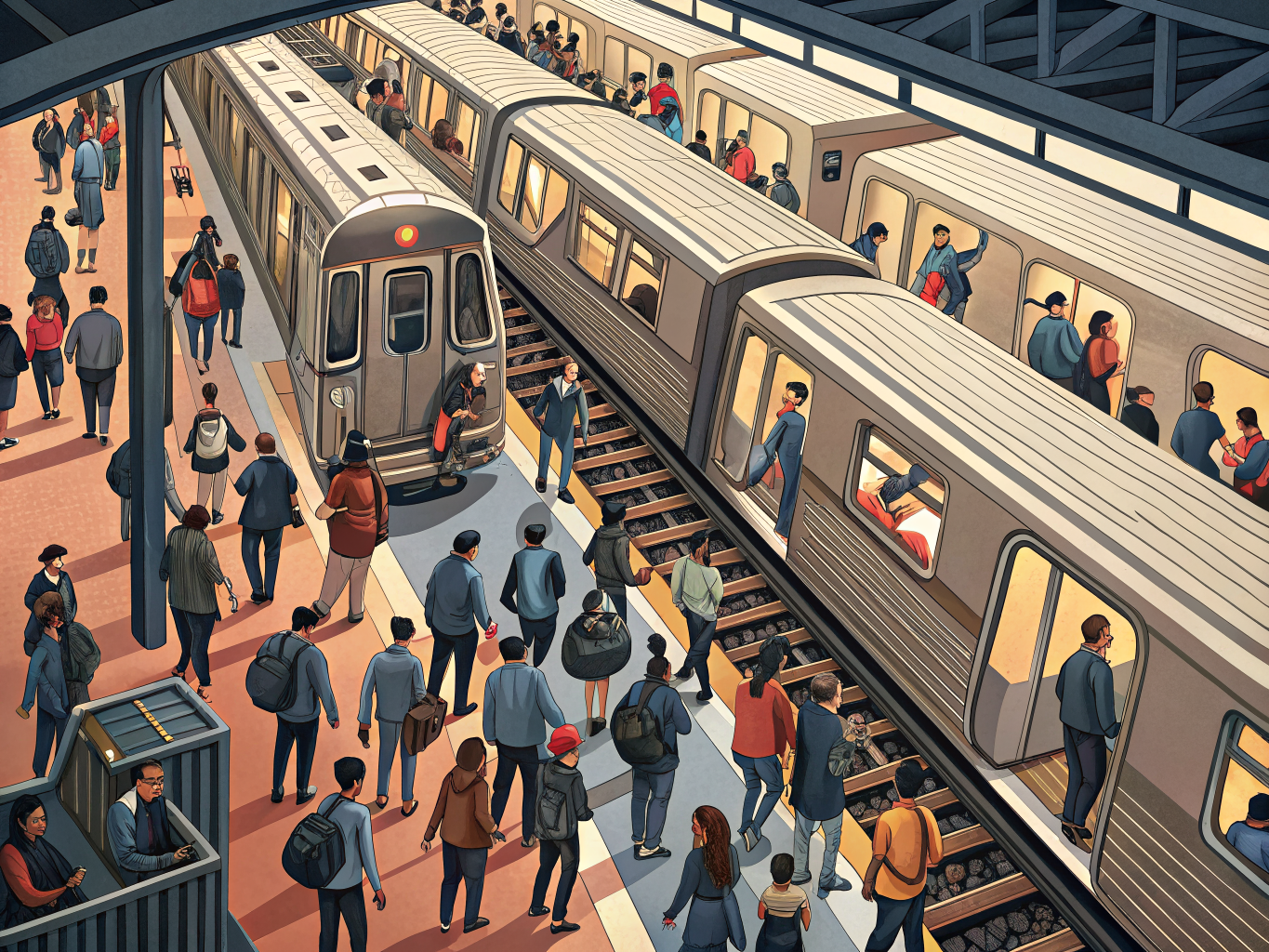
The DCAS civil service list for Train Operator Exam 4605 was established July 22 with 4,367 ranked candidates — the first open-competitive pool for the role in nearly eight years. Candidates ranked in the lower half of the list are running a clock against a July 2030 expiration.
If you sat for the MTA's Train Operator Exam 4605, you can now look yourself up on the NYC Open Data civil service roster. The Department of Citywide Administrative Services posted the active list on July 22, 2026, ranking 4,367 candidates by their adjusted final average score. The list expires four years from that date — July 22, 2030 — and NYC Transit will call names in order as openings arise.
What makes this list notable is what it took to get here: it is the first open-competitive Train Operator list since Exam 7604 was established in September 2018, a gap of nearly eight years. That 2018 pool was dramatically larger — 13,020 names — compared to the 4,367 on the new list. A separate internal NYC Transit Authority list, Exam 4700, was established in June 2025 with 1,243 names drawn from current agency employees; Exam 4605 is the public-facing, open-to-anyone pipeline.
The MTA's own career page acknowledges the infrequent cadence, noting that Train Operator written exams are held "every four to six years." The 2026 list landed closer to eight years after the previous open-competitive round — a delay that affects anyone hoping for entry to a job that pays union TWU Local 100 wages and includes benefits coveted enough that The Wall Street Journal profiled them last month.
The four-year validity window is the operative pressure. Candidates in the lower portion of the ranked list face real uncertainty about whether NYC Transit will move deep enough into the pool before July 2030. How quickly that happens depends on the agency's annual hiring pace, attrition among the existing operator workforce, and service-level commitments. The MTA has not published a public projection for how far into Exam 4605's list it expects to reach by the time the list sunsets.
For the subway system, a thin open-competitive pipeline has direct operating consequences. Train operators are the single-point constraint on how many trains run and how often; operator availability shapes headway schedules and overtime costs, and underlies on-time-performance data across every line. The last time a public list this size was established, it took years before the MTA worked meaningfully into the ranked candidates.
