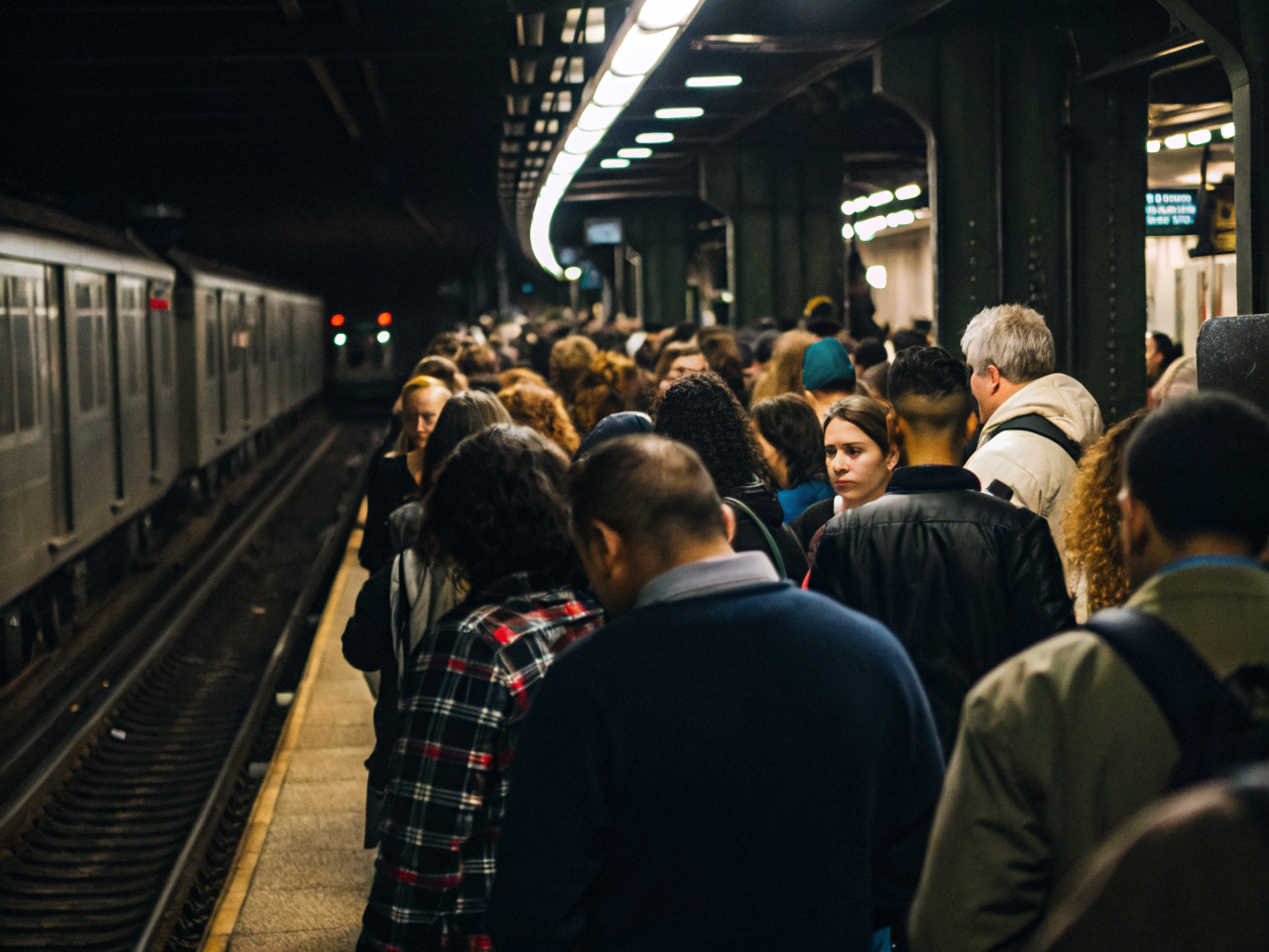
Average June Saturday ridership hit 144,391 and Sunday 114,146 — records in data going back to 2012 — after the Port Authority restored 10-minute nonstop Journal Square–to–33rd Street weekend service on May 17.
On the weekend of May 17, riders on the PATH out of Journal Square in Jersey City got something back they hadn't had in more than 20 years: a direct train to Midtown Manhattan every 10 minutes. By June, PATH's weekend numbers showed what suppressed demand looks like when you finally give it somewhere to go.
The Port Authority of New York and New Jersey implemented three interlocking service changes that Saturday: it restored nonstop, 10-minute-headway service between Journal Square and 33rd Street; it reconfigured that route to bypass Hoboken during daytime hours on weekends, shaving up to eight minutes off the trip; and it reintroduced Hoboken-to-World Trade Center service. The result: a train to Manhattan every six to ten minutes from every Jersey City and Hoboken station on weekend days, a standard the system had not offered since the early 2000s.
June ridership data compiled from PATH records by Hudson County Complete Streets and published by advocacy group Better Blocks NJ shows the response was immediate. Average Saturday ridership in June reached 144,391 and average Sunday ridership reached 114,146 — records for both days in data going back to 2012. The previous June highs were 125,923 on Saturday and 105,328 on Sunday. Average weekend ridership was up 26 percent year-over-year.
The surge is harder to explain away than it looks. A 13 percent PATH fare increase had taken effect May 4, two weeks before the service changes — the kind of hike that typically softens ridership, not lifts it. The World Cup brought two match Saturdays in June that routed fans through the PATH network, but Sunday ridership grew faster (up 26.5 percent) than Saturday ridership (up 25.3 percent), undercutting the theory that match crowds drove the headline number.
Weekday PATH ridership tells a different story: up 9 percent year-over-year in June but still roughly 23 percent below pre-pandemic levels, reflecting the persistence of remote work in the Hudson County corridor. The weekend recovery is not a system-wide rebound; it is specifically about restored service meeting suppressed demand from riders who live car-free.
Jersey City has changed substantially since PATH last offered this schedule. The city grew 18 percent in population between 2010 and 2020, a boom driven largely by apartments built with little accessory parking. By 2024, 44 percent of Jersey City households were car-free — up from 37 percent a decade earlier, a 53 percent increase in the raw count of car-free homes, according to Census Bureau figures cited in the Better Blocks NJ report. Those riders don't drive when the train is infrequent; they reroute, or they stay home.
The service improvement was years in the making. Hudson County Complete Streets launched its Better PATH Campaign in 2024 and gathered thousands of petition signatures pushing the Port Authority to restore direct weekend service. Jack McKee, the group's Communications & PATH Campaign Organizer, said in a statement accompanying the June numbers: "The dramatic increase in PATH's weekend ridership demonstrates that when public transportation is a viable option, people choose to ride."
The Port Authority has not released July figures.
